The Future Fellowship will use the latest biotechnology research to improve disease immunity in wild populations.
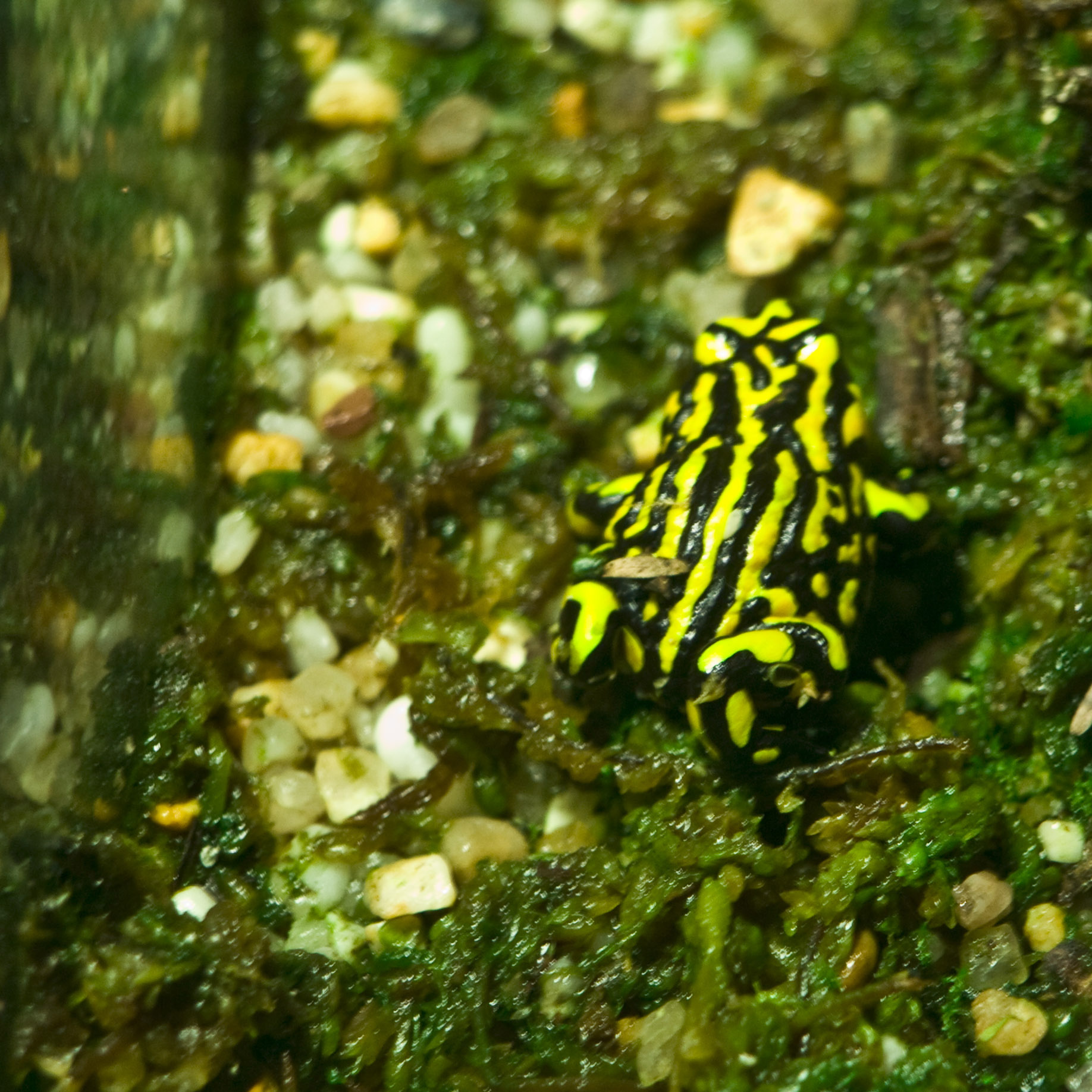
The research aims to save dwindling frog populations while proving the value of synthetic biology in restoring threatened wildlife populations. Synthetic biology is a new, cross-disciplinary approach that draws from engineering to identify or design and fabricate DNA sequences that can be inserted into the genes of existing species.
Associate Professor Skerratt and the researchers funded by the Fellowship will identify corroboree frog genes associated with protective immunity to chytridiomycosis, insert these candidate genes into vulnerable frogs using transgenesis and CRISPR technology and assess the effectiveness of the inserted genes at protecting frogs from the disease.
This approach offers distinct advantages over traditional methods of selective breeding, such as having a much shorter time frame, being readily transferable across species and having a lower risk of selecting against other favourable traits.
The project will be the first to apply transgenesis to wildlife conservation.
Faculty researchers
Funding
- Funded by: The Australian Research Council
- Grant number: FT190100462
- Managed by: The University of Melbourne
- Funding period: 2020–2024
- Funding amount: $915,611