Researchers and graduate research (PhD/MPhil) students in the One Health Research Group.
Academic staff
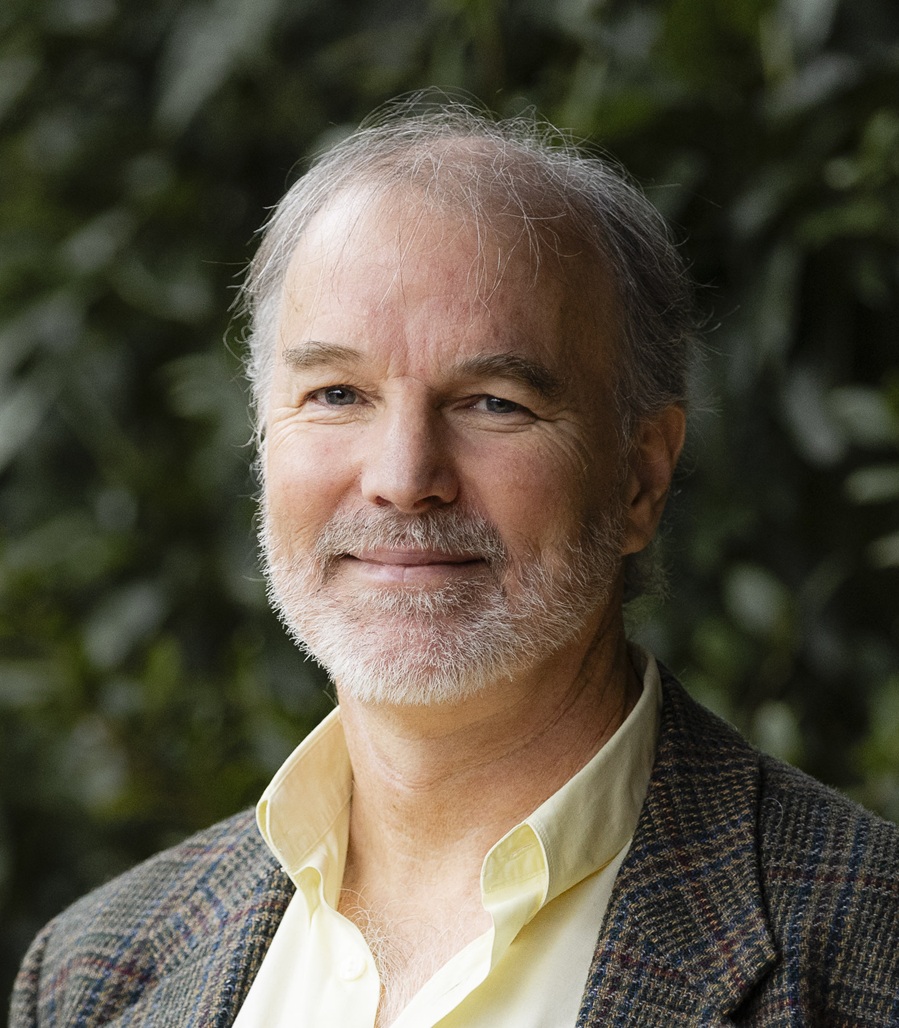
Prof Lee Skerratt
Lee Skerratt is a wildlife epidemiologist who mostly studies infectious diseases that threaten biodiversity or that spillover from wildlife into humans and domestic animals. He has worked on a variety of vertebrate taxa and pathogens including bat viruses, frog fungi, marsupial parasites and avian bacteria over the past 30 years.
l.skerratt@unimelb.edu.auA/Prof Jasmin Hufschmid
Jasmin Hufschmid is interested in wildlife population health in the context of both conservation impacts and potential for public health impacts, including parasitology, infectious disease, pathology and epidemiology including disease risk analysis. Her current research includes work on toxoplasmosis in Australian marsupials and effects of plastics on the health of bird species. Dr Hufschmid is particularly interested in collaborating with colleagues in other veterinary and non-veterinary disciplines (eg: ecology, toxicology) for a holistic approach to wildlife and ecosystem health.
huj@unimelb.edu.auA/Prof Lee Berger
Lee Berger is broadly interested in wildlife health with a focus on infectious diseases that impact biodiversity. Most of her research has focused on the amphibian chytrid fungus that has spread globally and caused 90 frog species to become extinct. Since working on the outbreak investigation, she has researched its pathogenesis, treatment, distribution, disease ecology, diagnosis, conservation management and immunity.
lee.berger@unimelb.edu.auDr Laura Brannelly
Laura Brannelly is interested in conservation and ecology with a specific focus on amphibians and their decline due to infectious disease. Her current research focuses on identifying ways in which populations persist following devastating declines. Specifically, she is exploring how disease affects reproduction in frogs and investigating how changes in reproductive effort and output can result in population resilience.
laura.brannelly@unimelb.edu.auPam Whiteley
Pam Whiteley collaborates with people from Victoria’s communities who observe wildlife disease and pathology, microbiology, virology, parasitology, toxicology, epidemiology colleagues to make a diagnosis and identify agents as Coordinator, Wildlife Health Victoria: Surveillance, reporting to Wildlife Health Australia. Surveillance reduces disease impacts on biodiversity, biosecurity and zoonotic diseases (One Health).
pamw@unimelb.edu.auDr Tiffany Kosch
Dr Tiffany Kosch is investigating the genetic architecture of resistance to the fungal disease chytridiomycosis in endangered frogs such as the Australian Southern Corroboree Frog. She applies approaches from genomics, quantitative genetics, synthetic biology, and animal breeding to develop methods to increase chytrid resistance in frogs and improve the success of reintroduction programs.
tiffany.kosch@unimelb.edu.au
Dr Emma Hobbs
Emma Hobbs is a One Health research veterinarian with experience conducting zoonotic public health and socioeconomic field research, community engagement, capacity building and international development in low- and middle-income countries across southeast Asia and sub-Saharan Africa. Her current research is looking to understand the progression and impact of Buruli ulcer (infection with Mycobacterium ulcerans) on native Australian possums and their role in zoonotic disease transmission in endemic areas of Victoria.
ehobbs@unimelb.edu.au
Prof Andy Bennett
Andy Bennett’s research interests span One Health, animal behaviour, ecology and evolutionary biology. His current research focuses on avian disease ecology (particularly beak and feather disease virus) and behavioural and sensory ecology (especially navigation, movement, vision and coloration of birds). After zoology degrees from University of Adelaide and University of Oxford, Andy became Reader in Sensory and Behavioural Ecology at University of Bristol, where he won a Leverhulme Research Fellowship, before moving back to Australia in 2008. He is a past President of the Australasian Association for the Study of Animal Behaviour (ASSAB) and a past editorial board member of Proceedings of the Royal Society (London) B: Biological Sciences, amongst others. Andy has lectured at all levels of the undergraduate programs in Australia and the United Kingdom. As well as a passion for fieldwork, Andy enjoys facilitating integrative collaborations and insights, and organizing national and
andy.bennett@unimelb.edu.au
Dr Rebecca Webb
Rebecca is passionate about amphibian conservation, especially in regards to their biggest threat; the chytrid fungus Batrachochytrium dendrobatidis. She hopes to increase understanding of this pathogen and its weaknesses and to explore potential control mechanisms. Currently her research focusses on using gene silencing techniques to identify important fungal genes, and as a possible tool to reduce fungal virulence.
rebecca.webb@unimelb.edu.au
Amy Aquilina
Amy is a research technician for the One Health Research Group. She is passionate about wildlife conservation, with a focus on amphibian conservation and infectious disease. During her Masters she worked on a project developing methods for self-clearance of chytridiomycosis in green and golden bell frogs.
amy.aquilina@unimelb.edu.auDr Franciscus Scheelings
Franciscus is a zoo and wildlife veterinarian with an interest in wild animal population health and how animals respond to change. He is also an experienced field biologist having completed field work in Australia, and North and Central America under a variety of conditions. He has conducted research on most major vertebrate taxa but has a special interest in reptiles. His current project focuses on how the microbiome of reptiles influences physiology and evolutionary biology.
franciscus.scheelings@unimelb.edu.au
Dr Michael Lynch
Michael Lynch is a wildlife veterinarian with extensive experience in the clinical care, conservation and welfare management of both captive and free-ranging wildlife. Two focus areas over an extended time have been investigating toxoplasmosis in Eastern barred bandicoots and welfare issues in Victorian koalas. He is also recognised for his expertise in marine mammal anaesthesia and health management and has written state and national guidelines for the management of stranded cetaceans. Michael’s current activities in addition to his work as a clinician, include Buruli ulcer research in ringtail possums and wildlife disease risk analyses.
mlynch@unimelb.edu.au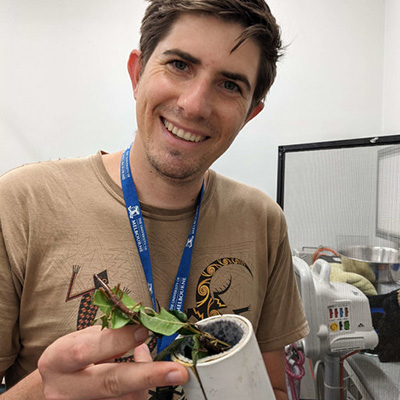
Dr Nicholas Doidge
Nicholas Doidge is a veterinarian with interests primarily in conservation medicine, as well as zoo and wildlife health and disease. He recently completed a residency at Melbourne Zoo and is now doing a PhD investigating bacterial disease in the critically endangered Lord Howe Island stick insect.
nicholas.doidge@unimelb.edu.au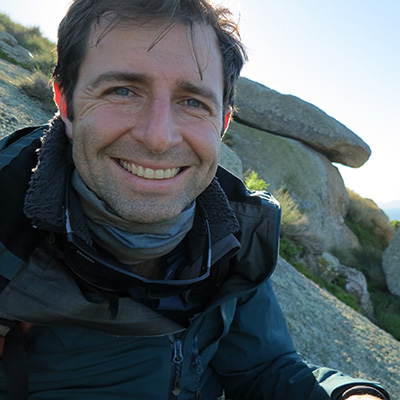
Dr Brett Gardner
Brett Gardner has a special interest in wildlife in field-based anaesthesia and surgery. He is based part-time at both Zoos Victoria and the University of Melbourne. Dr Gardner is fascinated by marine mammal and sea turtle health, and particularly enjoys remote conservation fieldwork. His current research investigates the epidemiology of infectious agents in abortions in Australian fur seals.
brgardner@student.unimelb.edu.au bgardner@zoo.org.au
Dr Tharaka Liyanage
Tharaka Liyanage is a veterinarian with a broad interest in wildlife health and conservation, zoonotic diseases and Asian elephant medicine and management. Currently Dr Liyanage is working on a PhD project involving developing an ELISA to detect Toxoplasma gondii-specific antibodies in multiple marsupial species in Australia.
tkoswaththal@student.unimelb.edu.auGraduate researchers
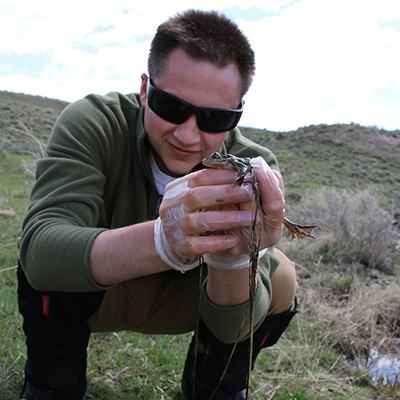
Alexander Wendt
Alexander Wendt is interested in amphibian conservation using genetics as a tool to determine population structuring and the variables that may influence metapopulations, whether biotic or abiotic. His PhD research focuses on how the fungal disease, chytridiomycosis, may act as a selective pressure on amphibian reproduction.
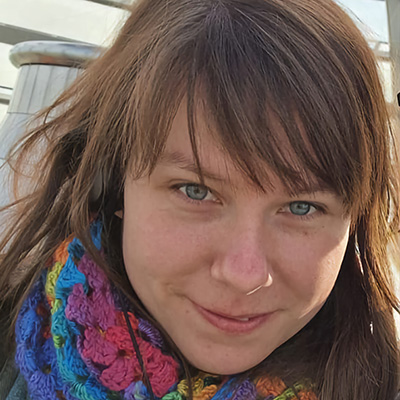
Dr Anna Langguth
Anna is a veterinarian with a special interest in wildlife immunology. Her interest in this topic was sparked while working on a novel oral rabies vaccine bait for European wolves in Germany. After completing a Masters degree in Wild Animal Health at the Zoological Society of London and the Royal Veterinary College, Dr Langguth is now undertaking a PhD investigating the susceptibility of Australian bats to White Nose Syndrome.
a.langguth@unimelb.edu.au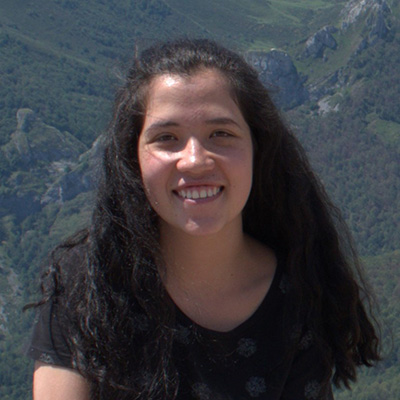
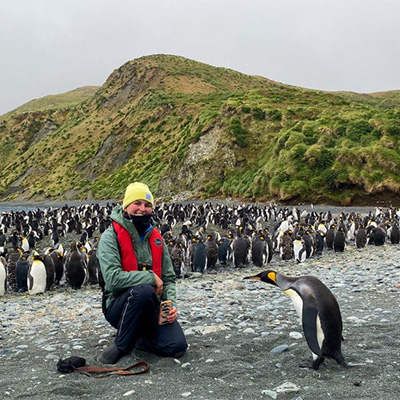
Melissa Hernandez Poveda
Melissa Hernandez Poveda is a Colombian biologist and microbiologist passionate about evolution, ecology, and conservation, using genetics as a tool. During her masters, she worked with concerted evolution in frogs. Currently, her Ph.D. research is focused on differences in gene expression related to resistance to chytridiomycosis in Corroboree frogs.
Eliza Stott
Eliza Stott is a wildlife biologist with a keen interest in Australian native mammals, in particular wombats. Her PhD project involves treatment of sarcoptic mange in bare-nosed wombats, looking at moxidectin pharmacokinetics and field treatment success. Alongside her PhD she works part time at Phillip Island Nature Parks, working with seabird rescue and rehabilitation, as well in koala conservation. Eliza is also the founder and director of the not-for-profit organisation Women in Wildlife.
estott1@student.unimelb.edu.au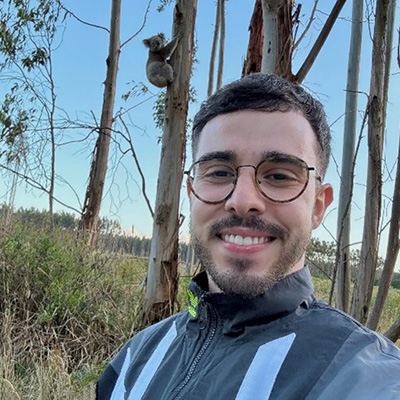
Pedro Paulo de Oliveira Nogueira
Pedro Oliveira is a Brazilian animal scientist dedicated to the conservation and health of wildlife. Pedro’s journey has taken him from exploring non-human primates’ genetic identification and parasitology during his masters studies to his current pursuit: unravelling the complexities of neospora caninum transmission between domestic and wild animals for his PhD.
poliveiranog@student.unimelb.edu.au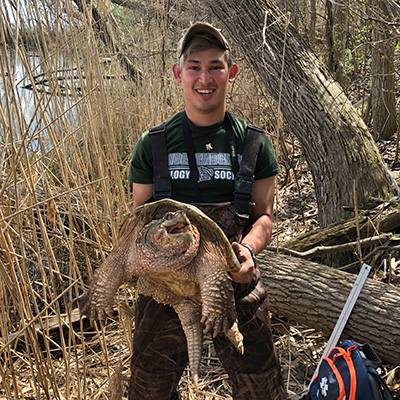
Dan Guinto
Dan is a conservation geneticist who focuses on reptile and amphibian conservation. His primary interests are genetic resistance to disease, landscape genetics, and population dynamics. Dan is currently undertaking a PhD focused on gene expression in relation to chytrid resistance in Corroboree frogs.
Kashmini Sumanasekera
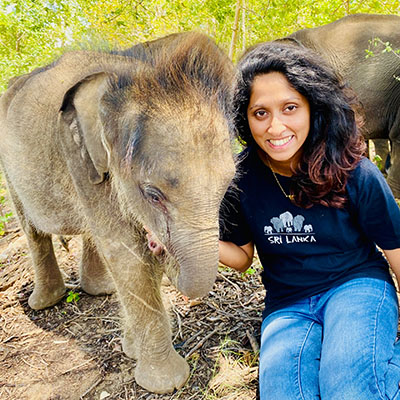
Kashmini is a veterinarian passionate about wildlife conservation, with a particular emphasis on the health and infectious diseases affecting wildlife. After completing her MSc in Wild Animal Health, she spent four years as a zoo veterinarian in Sri Lanka. Currently pursuing her PhD, Kashmini is actively engaged in combatting the deadly amphibian fungal disease Chytridiomycosis, where her research involves developing an innovative therapeutic method utilizing RNA interference.
ksumanaseker@student.unimelb.edu.au
Dr Nila Taylor
Nila is a veterinarian with broad interests in wildlife population health, the conservation of biodiversity and wildlife welfare all within the context of the One Health framework. Splitting her time between clinical work for Zoos Victoria and the University of Melbourne, Nila’s current research focuses on the zoonotic disease caused by mycobacterium ulcerans in Australian possums.
nila.taylor.1@unimelb.edu.au
Ellis Mackay
Ellis is an environmental scientist driven by a life-long passion for wildlife and ecology. She is undertaking a PhD in veterinary science and environmental chemistry. Ellis is focusing on ecotoxicological questions related to the extent and impacts of per- and polyfluoroalkyl substances (PFAS) in native wildlife species and broader ecosystems.
emackay1@student.unimelb.edu.au
Prabath Meeagamage
Prabhath is a Sri Lankan wildlife ecologist committed to conserving threatened species. His research focuses on understanding how ecosystems persist and respond to challenges such as diseases, environmental contaminants, habitat modifications and global climate change. During his PhD, he is studying the survival and reproduction of Growling Grass frogs in polluted, man-made habitats impacted by chytridiomycosis.
cmeegamage@student.unimelb.edu.au
Venice Chan
Venice is a conservation biologist with a passion for ecology and wildlife conservation. Her Masters research explores the impacts of chytridiomycosis on the reproductive biology of endangered green and golden bell frogs.
venicec@student.unimelb.edu.au
Ximing Tian
Ximing Tian is passionate about using synthetic biology approaches to combat the deadly fungal disease chytridiomycosis in amphibians. After completing her Master’s degree in Pharmacy at Tianjin University, she is now pursuing a PhD focused on optimizing siRNA expression vectors for targeting pathogenic fungi and designing heterologous inducible promoters.
ximingt@student.unimelb.edu.au
Nazia Akram
Nazia is a PhD researcher with a background in zoology and molecular biology, specializing in amphibian disease ecology. Her work explores how frog skin alkaloids and antimicrobial peptides (AMPs) impact Batrachochytrium dendrobatidis (Bd), the fungal pathogen behind chytridiomycosis. Combining microbiology, molecular biology, and One Health principles, She aim to uncover new antifungal strategies while contributing to amphibian conservation and she seek to bridge the gap between molecular mechanisms and real-world ecological challenges.
nazia.akram@student.unimelb.edu.au
Dr Catherine Binns
Catherine is a veterinarian with several years’ experience as a zoo and wildlife clinician, focusing on zoo animal health management and wildlife rehabilitation. She has a keen interest in wildlife population health and developing actionable strategies to conserve threatened species. Her masters project is in little penguin health and implementing active disease surveillance in the population on Phillip Island.
catherine.binns@student.unimelb.edu.au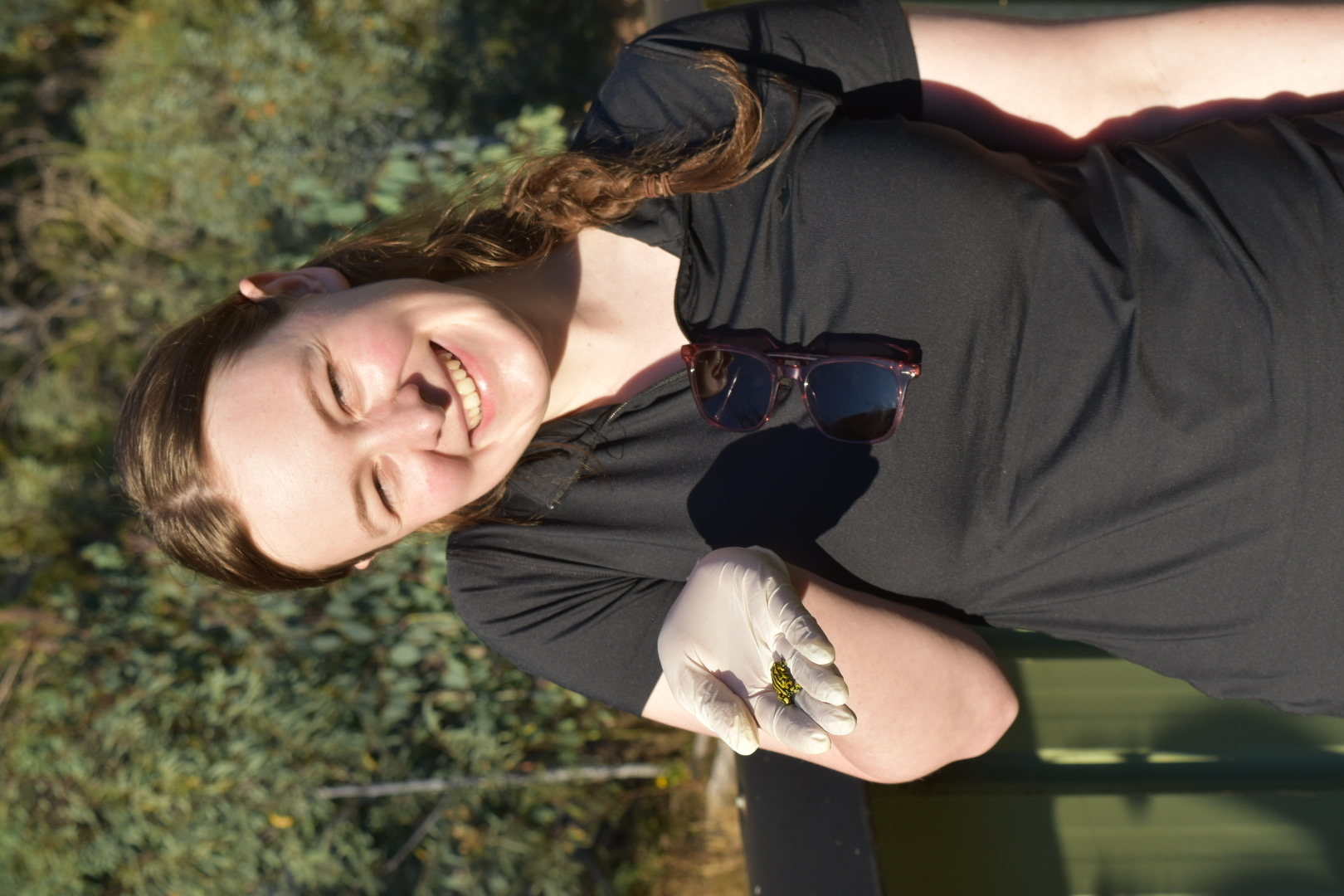
Rose Woodhouse
Rose is passionate about wildlife conservation with a particular interest in amphibian conservation. Her master’s research explores biobanking cell lines from endangered amphibians and investigates the virulence of different chytridiomycosis strains. She is also working with Wolgalu and Wirradjuri representatives to learn more about Indigenous perspectives on corroboree frog conservation approaches.
rose.woodhouse@student.unimelb.edu.au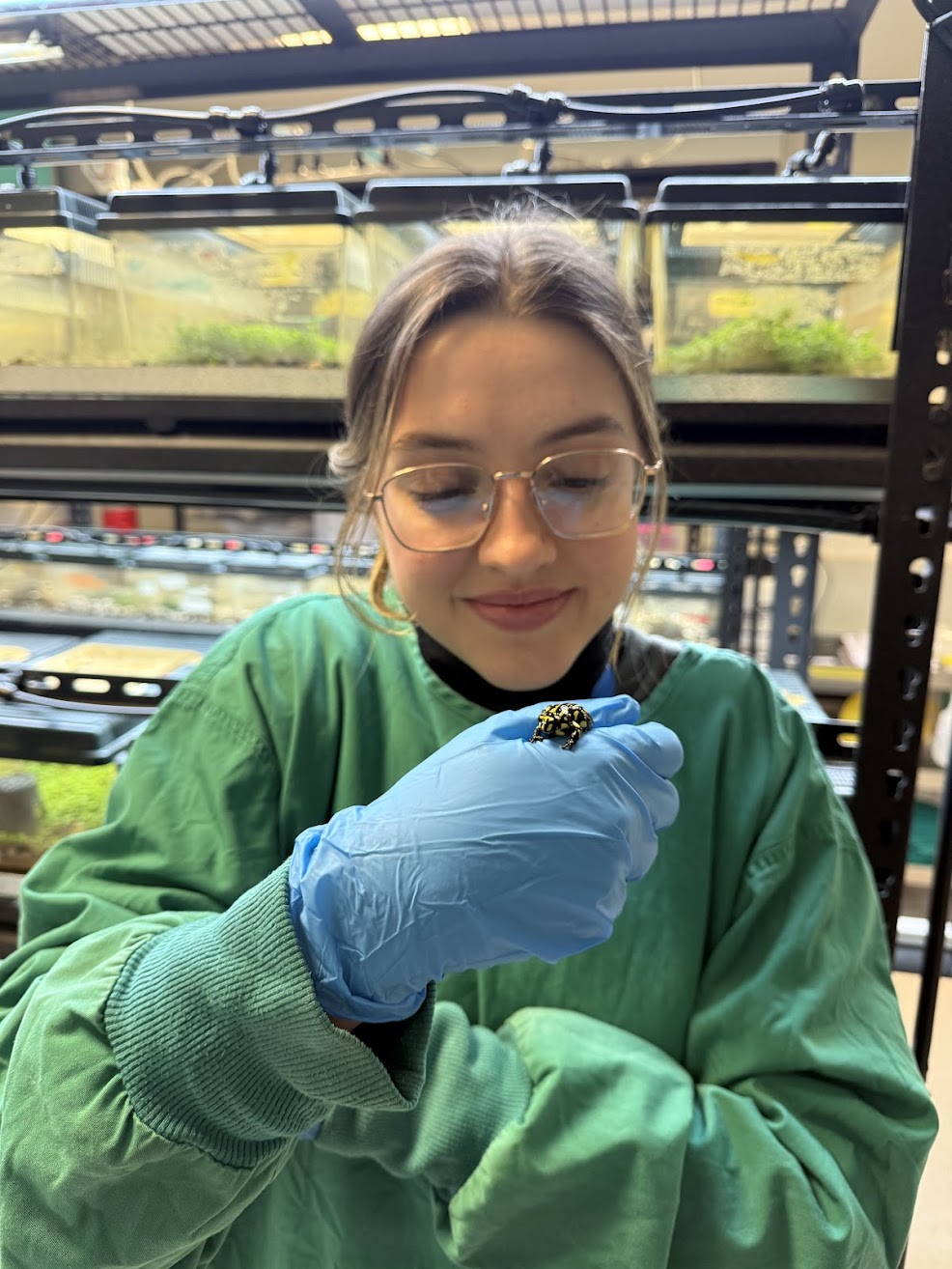
Clare Goodhill
Clare is a zoologist passionate about protecting wildlife from human-driven threats. Her PhD research focuses on strengthening frog populations against the devastating fungal disease chytridiomycosis, through both enhancing natural resistance in endangered species and exploring genetic approaches to improve disease tolerance.
clare.goodhill@student.unimelb.edu.au