Research groups

Gasser Lab
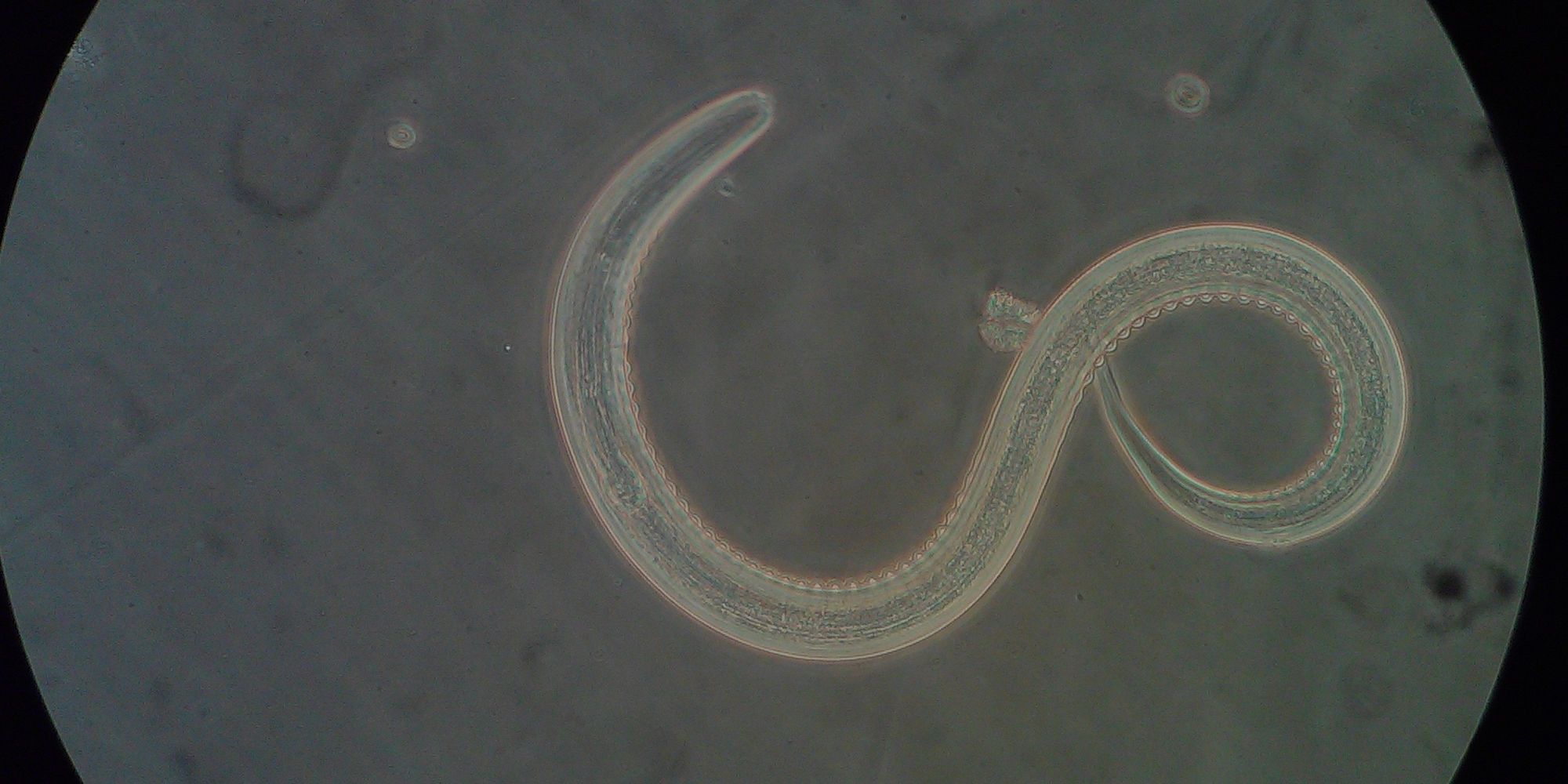
The Gasser Lab's research spans protists, roundworms, tapeworms and flukes, enabling the discovery of novel interventions against diseases such as haemonchosis, echinococcosis, schistosomiasis and sparganosis.
We develop and apply traditional, omics-based and computational technologies – including singleworm sequencing, deep proteomics and AI-driven analytics – to investigate parasite biology, host-parasite interactions and disease mechanisms.

Anstead Lab
The Anstead Lab investigates the genomics, evolution and biology of parasitic insects, using the ectoparasitic blowfly Lucilia cuprina as a model system. This globally important parasite causes flystrike, a disease that has major impacts on animal health and welfare. We apply population genomics, transcriptomics, functional genomics and other multi-omics technologies to understand how parasites evolve, adapt and interact with their hosts.
Using advanced bioinformatics together with RNAi and CRISPR-based approaches, we uncover gene function and the molecular mechanisms underlying parasitism. Our research spans fundamental evolutionary biology through to omics-guided discovery of novel intervention targets, generating new tools and knowledge for parasite research and control.

Colella Lab
The Colella Lab aims to advance the control of zoonotic parasitic and vector-borne diseases affecting animals and humans through an applied One Health approach. Much of the group’s work focuses on diseases that disproportionately affect vulnerable human and animal populations, particularly Indigenous communities across the Asia-Pacific region.
The team integrates advanced molecular diagnostics with genetic and genomic approaches to characterise parasite populations, identify emerging zoonoses, unravel transmission dynamics, and test field interventions, with the aim of translating research findings into practical strategies for sustainable disease control and elimination.

Jabbar Lab
The Jabbar Lab aims to improve the understanding, diagnosis and control of parasitic and vector-borne diseases affecting livestock, companion animals and wildlife. The group’s research spans gastrointestinal parasites, ticks and tick-borne pathogens, with a strong focus on epidemiology, parasite diagnostics, anthelmintic resistance and the development of sustainable control strategies.
The team integrates field epidemiology, advanced molecular diagnostics, genomics, experimental parasitology and in vitro parasite-feeding systems to investigate parasite transmission, population diversity, drug resistance and host–parasite interactions.
Through close collaboration with industry, government, veterinary laboratories and international partners, the lab seeks to translate research findings into practical surveillance, diagnostic and control tools that improve animal health, productivity and biosecurity.

Jex Lab
The Jex Lab uses cutting-edge technologies to better understand the biology of gastrointestinal parasites, including worms and agents of diarrhoeal disease. Parasitic worms have a major impact in impoverished communities in tropical and subtropical regions globally. Diarrhoeal parasites impact heavily on these communities, but are also important in developed countries including Australia.
They work with the Victorian water industry to develop tools to monitor for aquatic microorganisms that present a public health risk and conduct fundamental research into host-parasite interactions, parasite development, stress responses and drug resistance, with the ultimate goal of developing approaches to better control these parasites.

Young Lab
Roundworms and flatworms (helminths) exploit diverse ecological niches and exhibit remarkable morphological and behavioural adaptations to free-living and parasitic lifestyles. As parasites, they can be found globally and are a significant burden on global health and agriculture.
The Young Lab leverages the latest genomic, transcriptomic and proteomic technologies to better understand these parasites and their vectors and illuminate the function of parasite proteins to predict new drug targets and vaccine candidates to treat parasitic diseases.