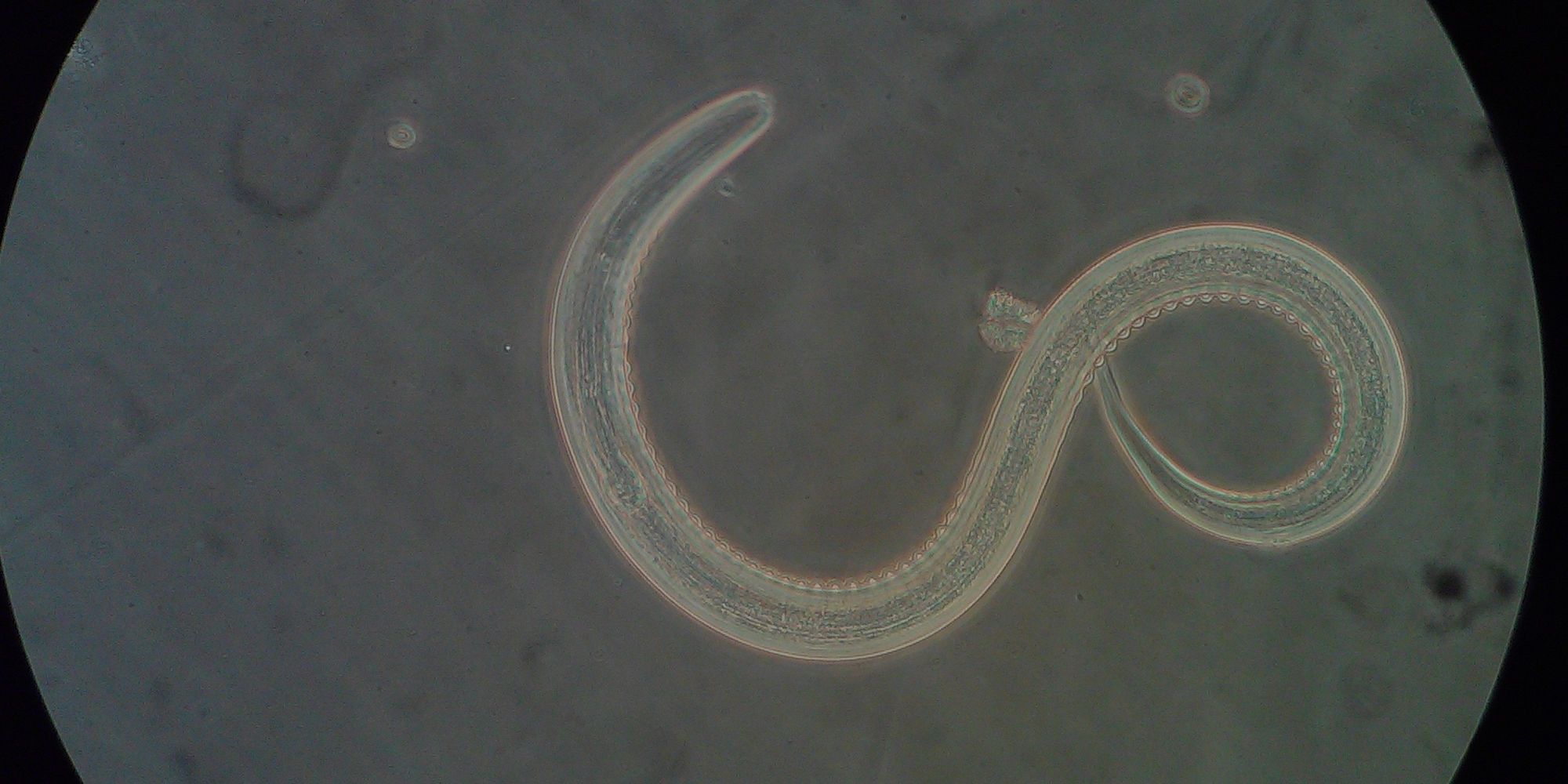
Parasitic organisms are major drivers of disease affecting humans, animals and ecosystems worldwide, posing persistent challenges for public health, livestock production and environmental stability.
In Australasia, parasitology has a long and distinguished history, with early investigations of parasite morphology, systematics, life cycles and epidemiology establishing the biological foundations of the discipline. These organismal approaches remain essential for understanding parasite diversity, transmission and host-parasite relationships.
Over recent decades, the discipline has undergone substantial transformation through the adoption of molecular biology, genomics and computational approaches. These advances have enabled increasingly detailed investigations of parasite genomes and host–parasite interactions.
The integration of organismal, molecular and systems-level approaches now allows parasite biology to be examined across scales, from genes and cells to hosts, populations and ecosystems, providing a more comprehensive framework for understanding parasitic diseases and for improving their control.

By integrating advanced technologies with experimental and field-based investigations, our research supports the development of improved diagnostics, surveillance systems and intervention strategies for parasite control.Professor Robin Gasser, Head of Parasitology
Featured content
Contact
For enquiries, please email Professor Robin Gasser, Head of Parasitology: robinbg@unimelb.edu.au